Studies Explore Plasma as Key to Human Survival & Recovery

Fresh frozen plasma, the liquid part of blood stripped of red and white cells, may hold the key to saving more lives after traumatic brain injury. The U.S. Department of Defense has been funding research on this for over a decade. While significant studies remain in operation and, therefore, a comprehensive review cannot yet be reported, the results are increasingly hard to ignore.

The most significant step forward is the FIT-BRAIN Trial, a federally funded study that began enrolling patients in early 2024 across eight U.S. trauma centers. Researchers at Northwestern University, backed by the Pentagon’s Congressionally Directed Medical Research Program, are testing whether plasma given soon after a severe brain injury can limit damage and improve survival. (The trial targets 357 patients, with results expected around 2027.)

Other recent studies have already built the case. A January 22, 2025 paper in the Annals of Surgery journal, driven by federally-funded studies, found that patients given cold-stored platelets after brain injury needed emergency skull surgery 14 percent less often and a 2025 analysis of nearly 15,000 children with severe brain injuries found that plasma given within four hours cut early death risk by nearly half.

In Fiscal Year 2025, Congressionally Directed Medical Research Programs funding was cut 57%, to $650 million, with Traumatic Brain Injury and Psychological Health Research Programs receiving zero dollars for new research grants. Recently, FY2025’s financial research crisis was partially resolved. On February 3, 2026, President Trump signed the Consolidated Appropriations Act, 2026 (P.L. 119-75), restoring CDMRP funding to $1.27 billion across 34 research programs.

A Gift from the Heart to the Mind

This Valentine’s Day, that box of dark chocolates may offer more than romance. A body of research indexed in PubMed reveals that dark chocolate’s primary flavanol, epicatechin, is a potent neuroprotective compound with remarkable potential for brain injury recovery.

“Epicatechin represents a promising therapeutic candidate for traumatic brain injury – its multi-pathway neuroprotection, from antioxidant defense to neurogenesis, makes it unlike any single pharmaceutical agent,” stated Wang et al. in 2024 in CNS Neuroscience & Therapeutics. Research shows that administering epicatechin after traumatic brain injury prevents neuronal death, reduced neuroinflammation, and restored neurological function by targeting the AKT-P53/CREB signaling pathway. This pathway then promotes cell growth and inhibits apoptosis. A 2025 meta-analysis in the Journal of Agricultural and Food Chemistry pooled 12 animal studies and confirmed epicatechin significantly improves outcomes across TBI, ischemic stroke, and other brain injury types, while reducing oxidative stress and boosting antioxidant defenses.

Dark chocolate’s brain benefits operate through multiple pathways: boosting cerebral blood flow by 8-10% via nitric oxide–mediated vasodilation, activating the Nrf2 antioxidant system, elevating the brain-derived neurotrophic factor critical for neuronal survival, and stimulating neurogenesis. Crucially, these are the very mechanisms disrupted by traumatic brain injury and stroke.

While most current TBI-specific evidence remains in animal models, the results are compelling. This Valentine’s Day, choose dark chocolate with the highest cocoa content you can find, preferably 70% or above. Your brain, and your loved one’s brain, will thank you.

Federal Research Reveals Complex Relationship Between Antidepressants & Brain Injury

For years, doctors worried that antidepressants might worsen brain bleeding after traumatic brain injury. A 2026 study published in Neurology and cataloged in the U.S. National Library of Medicine challenges that fear. Finnish researchers tracked 54,876 brain injury patients over thirteen years and found something unexpected: those taking antidepressants showed no increased risk of death or emergency surgery. “These findings provide reassurance for people who take antidepressants that antidepressant use does not appear to worsen early recovery after traumatic brain injury,” said lead author Dr. Jussi P. Posti of Turku University Hospital in January 2026.

The picture grows more complex when considering blood clots. Multiple studies indexed by the NLM show a modest statistical link between antidepressants and clotting. Researchers, though, suggest this association may reflect depression itself rather than the medication, since these drugs actually thin the blood.

This distinction matters enormously. According to federally funded research tracked by the National Institutes of Health, over half of brain injury patients develop depression within their first year of recovery, and they face eight times the general population’s depression risk. The CDC explicitly recommends screening and treating this depression because untreated cases impair cognitive recovery and triple non-adherence to rehabilitation.

Most critically, NIH-hosted research shows brain injury survivors face nearly twice the suicide risk of others, with depression as the strongest predictor. The government’s message is clear: not treating depression after brain injury can carry serious, documented dangers.

From Supporter to Survivor: Legacy of America’s 40th President

On what would have been his 115th birthday, TBIontheHill honors Ronald Reagan, America’s 40th President of the United States:

President Ronald Reagan left an enduring mark on the brain injury community when he signed Proclamation 5262 in October 1984, designating National Head Injury Awareness Month. This landmark action acknowledged the 700,000 Americans hospitalized annually for head injuries and called for greater research and support.

Reagan himself experienced traumatic brain injury firsthand. On July 4, 1989 – just months after leaving office – the 78-year-old was thrown from a bucking horse at a friend’s ranch in Mexico. The fall caused a subdural hematoma, a dangerous blood clot between the brain and skull. After initial treatment, doctors discovered a second clot requiring brain surgery at the Mayo Clinic in September 1989.

Because the accident occurred after his presidency, it did not affect his time in office. However, Nancy Reagan later wrote that she believed the severe head injury “hastened the onset” of her husband’s Alzheimer’s disease, diagnosed in 1994. Research supports this connection, as moderate brain injuries increase Alzheimer’s risk 2.3 times, while severe injuries raise it 4.5 times.

Reagan’s presidency transformed America – ending the Cold War, spurring economic growth, and restoring national optimism. His personal experience with brain injury adds poignant context to his earlier advocacy, creating a legacy for millions affected by neurological conditions.

From Roasting to Recovery, the Different Iterations of Charcoal

Activated charcoal, long used in emergency rooms to treat poisoning, is emerging as a potential tool for preventing and treating brain injury. A March 2025 Canadian multicenter study published in the Canadian Journal of Emergency Medicine found that poisoned patients treated with activated charcoal had a 9.2% lower risk of increased toxicity, critical for preventing the brain damage that often follows severe overdoses.

Regular charcoal and activated charcoal are fundamentally different, as the former can actually cause brain damage. According to the Consumer Product Safety Commission, approximately 20 Americans die annually from carbon monoxide poisoning linked to charcoal grills used indoors, with survivors often suffering permanent neurological damage. The potential risk occurs because cooking charcoal undergoes simple carbonization, while activated charcoal receives additional treatment at extreme temperatures, creating a surface area exceeding 500 square meters per gram – five times greater than regular charcoal. This porous structure enables it to adsorb toxins before they reach the bloodstream and brain.

Currently, the Food and Drug Administration does not approve of activated charcoal as a food addictive or coloring agent, and in New York and other cities, it is banned for use in food and drinks. (Concern is due to the fact the activated charcoal is reported to cause constipation and nutritional deficits, as it can harden in the intestines.) Specifically related to traumatic brain injury, though, NIH-funded researchers at Rice University have developed oxidized activated charcoal nanoparticles that restore cerebral blood flow in animal models. According to StatPearls, the NIH’s clinical reference guide, updated in 2025, “Activated charcoal is most efficacious when given within one hour of ingestion of the toxin.”

Texas Governor Declares Disaster to Combat Screwworm Threat

Governor Greg Abbott issued a statewide disaster declaration Thursday, January 29th to prevent a certain species of screwworm fly from entering Texas, mobilizing state resources against a parasite. “Although… not yet present in Texas or the U.S., its northward spread from Mexico toward the U.S. southern border poses a serious threat,” Abbott stated.

Cochliomyia hominivorax, also called Coquerel or New World screwworms, are parasites endemic in South America and the Caribbean. Not new to America, the U.S. was declared free of the parasite in 1966 by the US Department of Agriculture, after successful eradication efforts. A small outbreak occurred in the Florida Keys in 2017.

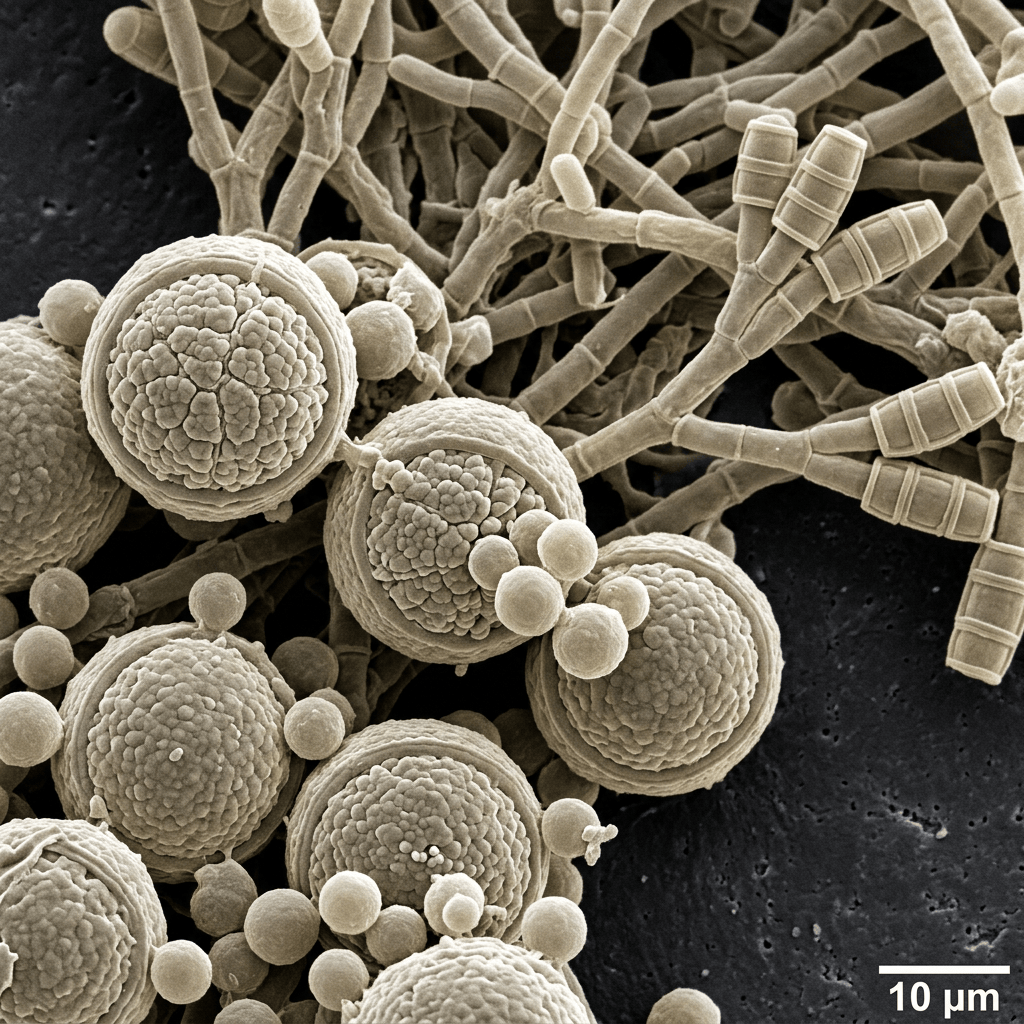
According to the US Embassy in Costa Rica, “screwworm flies predominantly affect cattle, but frequently affect dogs… and occasionally affect humans.” Experts warn that maggots can burrow into vulnerable tissue like the brain, causing sepsis. Sepsis can cause severe brain damage through systemic inflammation, disrupting the blood-brain barrier (BBB), oxygen deprivation, and neuroinflammation, leading to acute issues like delirium and coma, and long-term cognitive deficits. The Embassy further discusses the story of a 15-year-old girl developed intense headaches after 45 larvae infested a scalp wound, demonstrating risks to children and representing the first human death since the 1990s.

Protection requires cleaning and covering all wounds, wearing long-sleeved clothing, and using EPA-registered insect repellents.

Not Your Average Light Bulb Moment: Red Light Therapy Promising for Brain Injury Treatment

On January 23, 2026, the Journal of Neurotrauma reported on a form of preventative treatment for CTE, and other forms of brain injury: near-infrared light therapy. According to the article, this form of therapy, also known as photobiomodulation, “shines powerful near-infrared light at the brain through the skull, may be able to prevent or reduce subtle damage to the brain before symptoms start, by reducing brain inflammation caused by repetitive impacts.”  

While infrared light therapy may be lesser-known, reports show that the red light therapy and its benefits have, in fact, been known and ongoing for over a decade. Studies indicate this non-invasive, home-based therapy improves cognition, reduces PTSD symptoms, and increases cerebral blood flow by stimulating mitochondrial functio. 

Athletes who received this infrared light show significant reductions in markers of neuroinflammation and axonal stress compared to their pre-season baseline, suggesting the therapy preserves neural integrity. Dr. Carrie Esopenko, associate professor of neurology at University of Utah that, along with NYU, is running a four-year government-funded study on the treatment, hopes “the results will help keep athletes healthy across all sports” while ensuring families “can participate in sports safely for the long term.” Boston University Medical Campus is also investigating transcranial photobiomodulation (tPBM) using red and near-infrared LED devices to treat chronic traumatic brain injury (TBI) and PTSD.

Brain Injury Detection Goes Low-Tech

A simple spit test may soon revolutionize how doctors diagnose brain injuries. Researchers have known for years that saliva contains biomarkers indicating brain injury. In January 2026, University of Waterloo in Canada unveiled HeadFirst, a portable saliva-based device that works much like a COVID test – two lines indicate a concussion, one line means negative. According to the report, this new low-tech innovation is currently at the pre-clinical trial.

The mission is clear: “Leave no concussion undetected.” “What we’re doing is adding the first objective test into the toolkit of athletic and health care professionals,” said Andrew Cordssen-David, HeadFirst CEO. The new technology detects biomarkers that cross the blood-brain barrier into saliva within minutes of injury.

Currently, no saliva concussion test has FDA approval, though several companies are preparing submissions. With studies showing 92-94% accuracy, these non-invasive diagnostics could transform sideline assessments in sports and combat zones alike. 

* TBIontheHill first reported on the government’s investment in brain injury detection devices in 2017. At that time, Abbott Laboratories was developing of i-STAT, a mobile device that could detect brain injury. Since that time, U.S. government agencies have remained heavily invested in concussion detection. The National Institutes of Health awarded $2.3 million to Quadrant Biosciences for developing saliva-based microRNA tests, while the Department of Defense mandated baseline cognitive assessments for all military recruits starting January 2025. 

Spicy Spray, Cool Results: Nano-Pepper Treatment Chills Brain Damage

University of Miami researchers announced in January 2026 that a revolutionary nasal spray that cools the brain after injury could soon help paramedics protect trauma victims before they reach the hospital. The technology uses “nanovanilloids” – microscopic particles derived from pepper-related compounds that activate the brain’s natural cooling system. When sprayed into the nose, these particles travel directly to the brain and trigger special receptors called TRPV1 [Transient Receptor Potential Vanilloid1] that lower brain temperature by up to 3.6°C.

Brain cooling after injury reduces inflammation and cellular damage, with NIH-funded studies showing up to 87% reduction in brain damage from stroke. An “umbrella review” of studies, posted in the NLM PubMed in October 2025, is more nuanced: “Studies have shown controversial results regarding the effect of TH [therapeutic hypothermia]… Some of the important parameters that may affect the results are the age of TBI patients, the use of barbiturates, target TH temperature, rewarming rates, and method of cooling.”

Current treatment methods require hospital equipment and carry significant side effects, but studies have shown that the nanovanilloid spray works within minutes and targets only the brain, leaving body temperature stable. Published in ACS Applied Materials & Interfaces, a peer-reviewed scientific journal, the breakthrough could transform emergency treatment for stroke, traumatic brain injury, and cardiac arrest. “These results mark one of the most important technological developments in therapeutic hypothermia over the past 30 years,” said Dr. W. Dalton Dietrich of the University of Miami Miller School of Medicine.

House Introduces a BEACON of Hope for Veterans with Brain Injuries

Representative Jack Bergman (MI), along with 5 original co-sponsors [Sarah Elfreth (MD), Kimberlyn King-Hinds (MP), Donald G. Davis (NC), Derrick Van Orden (WI), Morgan Luttrell (TX)] introduced the BEACON Act, H. R. 6993, in January 2026 to transform how the Department of Veterans Affairs treats traumatic brain injuries. The Veterans TBI Breakthrough Exploration of Adaptive Care Opportunities Nationwide Act establishes two grant programs totaling $60 million to fund innovative, non-pharmacological treatments for mild-to-moderate TBI.*

The sponsor of the bill and at least one of its co-sponsors bring personal stakes to this fight. Bergman, a retired Marine Lieutenant General with 40 years of service including Vietnam combat, witnessed how invisible injuries affect service members. Elfreth watched her grandfather – a Korean and Vietnam War veteran – suffer from PTSD, inspiring her earlier success passing Maryland’s David Perez Military Heroes Act.

Veterans often feel “unseen, unheard, and alone” navigating systems that treat symptoms rather than people. The BEACON Act addresses these gaps by funding research into evidence-based alternatives, training clinicians, and partnering academic institutions with VA facilities to bring innovative care directly to veterans.

*Per bill text, the TBI Innovation Grant Program will “award grants to eligible entities… for the development, implementation, and evaluation of approaches and methodologies for prospective randomized control trials for 11 neurorehabilitation treatments for the treatment of chronic mild TBI (mTBI) in veterans.” Additionally, the Act with provide grants for “independent third-party research studies and treatment with respect to supplemental neurorehabilitation treatments of mTBI.”